Recycle Power Tools Responsibly: Your Step-by-Step Guide
By Diego Castillo • 25th Nov
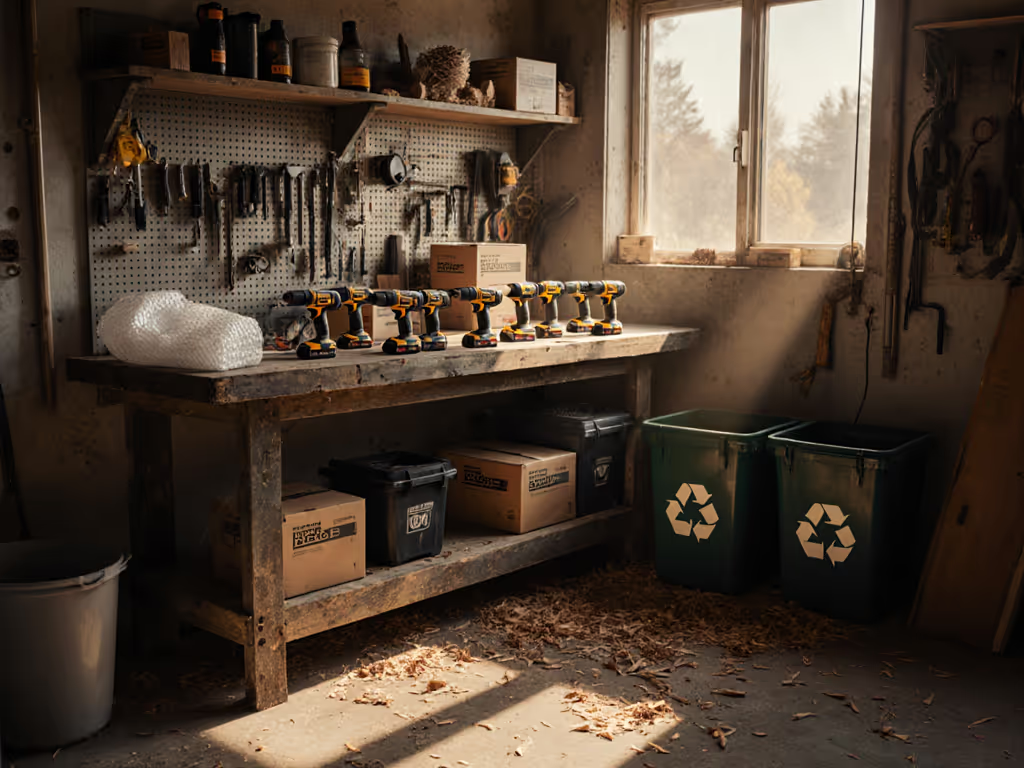
You’ve just finished your deck project, and that trusty drill finally gave up the ghost. Now what? A proper drill recycling program turns end-of-life tools into new beginnings, not landfill guilt. This practical tool disposal guide cuts through the confusion so you can close your tool's lifecycle responsibly. Because sustainability isn't just nice, it's how we keep our workshops (and planet) running smoothly for the next project.
As a community makerspace instructor, I see it weekly: folks clinging to dead tools, unsure how to let go. But remember that Saturday class where a hesitant beginner swapped to a shorter bit, nailed her first straight pilot hole, and left with one focused battery kit instead of three gimmicks? Momentum matters. The same mindset applies here: Start simple, lock the ecosystem, and let skills compound. If you're picking a single platform for future upgrades, see our battery platform comparison to lock your ecosystem wisely. Whether it's your first drill or your tenth battery, responsible disposal keeps your workflow clean and conscious.
Why This Isn't Just "Trash Day" for Tools
Power tools contain recoverable metals (like copper and steel), recyclable plastics, and critical lithium-ion batteries. When landfilled, these can leak toxins or waste resources we'll need for future tools. But here's the good news: most major brands now offer manufacturer take-back programs that turn your old gear into new materials. This isn't charity, it's closing the loop on your sustainable tool lifecycle.
Practice on scrap; then commit. The same careful prep you'd use for a tricky cut applies here: verify recyclability before you ship.
Your 5-Step Tool Recycling Blueprint
Step 1: Confirm What's Recyclable (10 Minutes)
Not all tools qualify. Focus on:
- Power tools (drills, sanders, saws)
- Hand tools with embedded batteries (like cordless drivers)
- Lithium-ion batteries (loose or built-in)
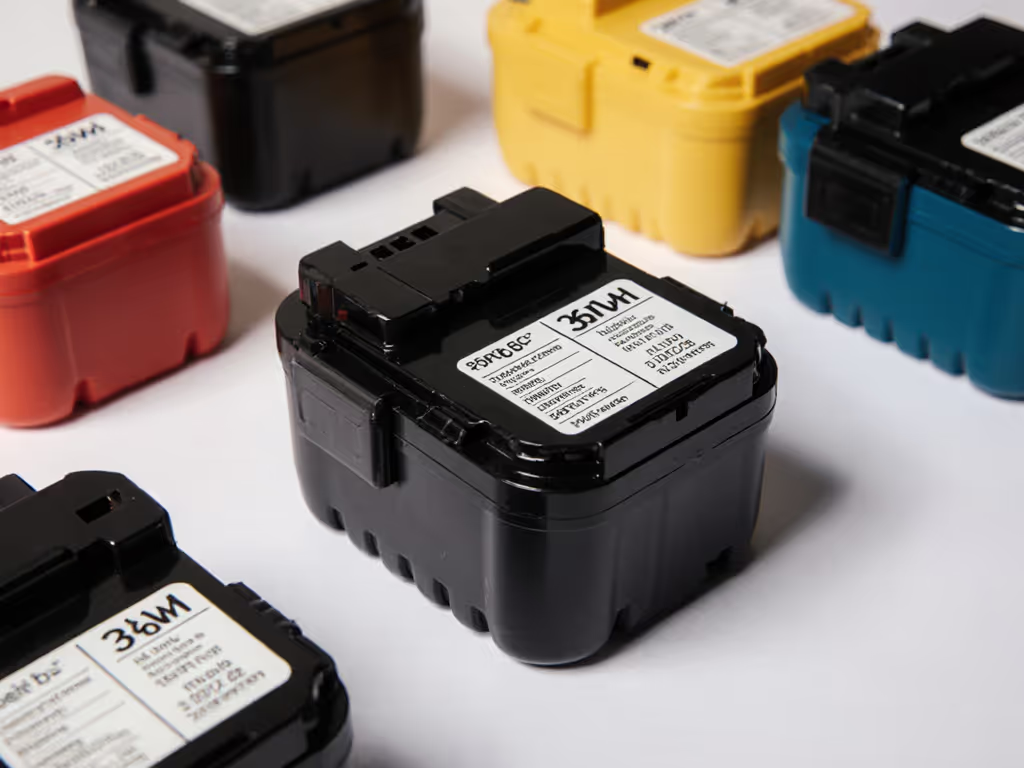
Critical exclusion: Tools with batteries over 300 watt hours (common in large lawn equipment) often require specialized handling. Check your battery label - smaller DIY tools (like DEWALT's 20V MAX series) almost always qualify. Safety reminder: Never crush, heat, or disassemble batteries. Tape terminals on loose cells to prevent shorts. To extend pack life before recycling, follow our battery care guide.
Step 2: Find Your Brand's Program (5 Minutes)
Skip generic e-waste sites. Go straight to the source: Major brands like DEWALT, BLACK+DECKER, Stanley, and Craftsman partner with TerraCycle for free drill recycling programs. Here's how:
- Google '[Your Brand] + tool recycling program' (e.g., 'DEWALT tool recycling program')
- Look for official pages (not third-party resellers)
- Verify it covers your specific tool type (some programs exclude heavy industrial gear)
Pro tip: If your tool has a DEWALT battery, it likely qualifies under Stanley Black & Decker's umbrella program covering 8+ brands. No hunting through manuals needed.
Step 3: Prep Like a Pro (15 Minutes)
Rushing this step risks rejection. Not sure it's truly end-of-life? Try the basics in our cordless drill maintenance guide first. Follow this checklist:
- Remove all batteries (they're recycled separately)
- Wipe down tools to remove sawdust/metal shavings
- Secure loose parts (tuck cords inside housings)
- Tape battery terminals with non-conductive tape
- Check weight limits (most programs cap shipments at 20 lbs)
Why this matters: Contaminated shipments get trashed. A clean prep = 100% of your tool's materials get reused. Safety first: Wear gloves when handling sharp-edged tools like hacksaws or chisels.
Step 4: Ship for Free (Zero Cost)
Eco-friendly disposal methods shouldn't cost you. Here's the magic:
- Sign up on the brand's TerraCycle page
- Download a prepaid shipping label
- Pack tools in a sturdy box (reuse old tool packaging!)
- Drop at UPS or FedEx
Example: DEWALT's program via TerraCycle accepts drills, drivers, and saws. After signing up, you'll get a label instantly, no waiting for kits.
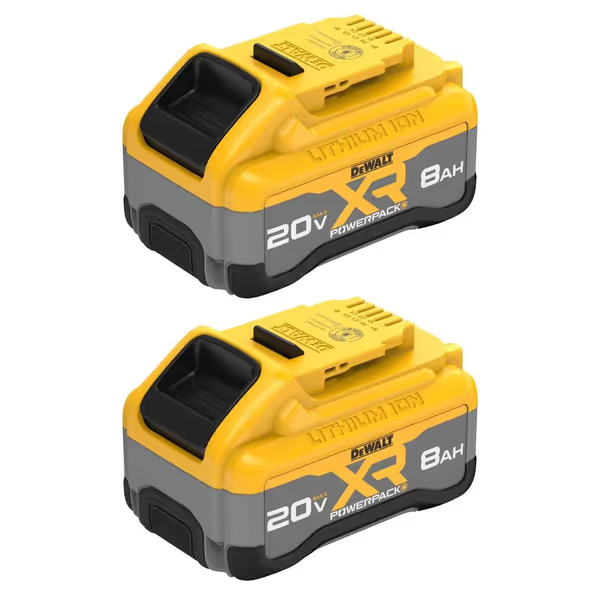
DEWALT 20V MAX XR 8Ah POWERPACK Lithium Ion Battery, 2-Pack
More power, longer life for demanding tasks and extended runtime.
$216.9
Capacity8Ah
Capacity8Ah
Pros
50% more power for tough applications.
Extended longevity compared to standard batteries.
Durable, impact-resistant overmolded base.
Cons
Higher initial cost per pack.
Customers find the battery pack offers good value for money and appreciate its long charge life.
Customers find the battery pack offers good value for money and appreciate its long charge life.
Note: While you're recycling old batteries, consider how new ones like DEWALT's 20V MAX XR POWERPACK 8Ah batteries support your long-term ecosystem - more runtime, fewer replacements.
Step 5: Track and Repeat (Ongoing)
Most programs email recycling certificates showing pounds diverted. If you store tools seasonally, use our compact drill storage guide to keep batteries healthy and avoid premature disposal. But true sustainability is habitual. Set calendar reminders:
- Every 2 years: Audit dead batteries
- Tool retirement: Recycle before buying replacements
- Share programs with trade apprentices (many small shops overlook this)
Confidence builder: Knowing your disposal path frees you to upgrade tools fearlessly. No more hoarding broken gear "just in case."
The Ripple Effect: Why Your Effort Multiplies
When you join a drill recycling program, you're not just clearing clutter. You're fueling a cycle where:
- Steel from your drill becomes new tool housings
- Copper windings get rewound into tomorrow's motors
- Lithium from batteries powers future battery recycling options
This isn't hypothetical. Stanley Black & Decker's TerraCycle partnership alone has diverted thousands of tons from landfills, proving small actions scale. For DIYers, this closes the loop on your core belief: Tools should serve you fully, from first cut to final retirement.
Your Action Plan Starts Today
Don't let perfect be the enemy of done. Pick one dead tool or battery right now and:
- Google its brand + "tool recycling program"
- Print the label during your next coffee break
- Drop it at shipping this week
Momentum matters. That single shipped drill? It's your first win in building a sustainable tool lifecycle. And just like swapping to a shorter bit unlocked confidence for my Saturday student, this small step locks in habits that compound, cleaner workshops, clearer conscience, and communities where nothing goes to waste.
Practice on scrap; then commit. Start with what's on your bench today.
P.S. Need help finding your brand's program? Comment your tool brand below, I'll reply with the direct link.
Related Articles